

A dental emergency covers a range of situations — from a knocked-out tooth to sudden severe pain or facial swelling. This page walks through what to do right away and when to call PlanDental versus go straight to a hospital.
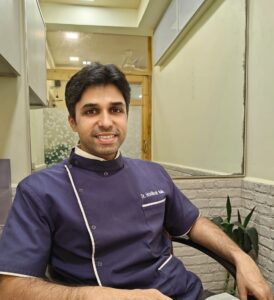
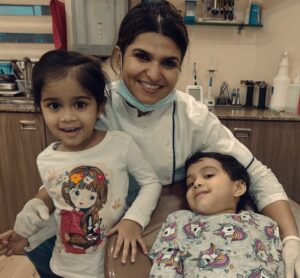
At PlanDental in Mahim West, urgent dental concerns are assessed by Dr. Hrishikesh Naik and Dr. Nisha Naik, both MDS in Prosthodontics and Implantology. Read more about the clinic before you call.
Patients usually call about: knocked-out tooth sudden severe toothache broken or chipped tooth lost filling or crown facial swelling bleeding that won't stop
These situations need hospital-level care and imaging that a dental clinic isn't set up to provide — call PlanDental afterward for the dental follow-up once you're stable.
Most dental emergencies — a bad toothache, a broken tooth, a lost filling — are genuinely urgent but not life-threatening, and are best handled by calling a dentist right away rather than going to a general hospital ER. A small number of situations, listed above, do need a hospital: uncontrolled bleeding, spreading facial swelling affecting breathing, or a suspected facial fracture. When in doubt, call PlanDental first — the team can help you decide where to go.
A dental emergency is any sudden dental problem causing significant pain, bleeding, or risk to a tooth's survival. The most time-critical scenario is a knocked-out (avulsed) permanent tooth — according to widely cited dental trauma guidance, the chances of successfully saving and re-implanting the tooth drop significantly after about 30 to 60 minutes, which is why fast action matters more here than almost anywhere else in dentistry. Other situations, like a severe toothache or a lost crown, are urgent for comfort and to prevent the problem worsening, but don't carry the same tight time window.
Describe what happened and how you're feeling — the team gives immediate first-aid guidance over the phone.
An urgent slot is fitted in where the day's schedule allows.
The tooth, gum, or jaw is examined, with X-rays if needed to understand the extent of the problem.
Pain relief and stabilization are addressed first, then a plan for definitive treatment.
Emergency visit cost in Mumbai depends entirely on what's actually needed — a straightforward pain-relief visit costs very differently from one requiring extraction, a repair, or imaging. PlanDental doesn't publish a fixed figure here — call or WhatsApp and the team will explain likely costs once they understand your situation.
This section describes what affects cost, not a quotation. Actual cost is confirmed only after assessment.
If you're unsure whether to come in right away, call to wait for a routine visit, or head to a hospital, just call or WhatsApp — describing the problem takes a minute and gets you a clear answer.
Pain and immediate risk to the tooth are addressed first.
Follow-up care confirms healing is on track.
A longer-term plan (filling, crown, extraction, etc.) is scheduled as needed.
Regular check-ups help catch developing problems before they become emergencies.
PlanDental accommodates same-day and urgent visits where the day's schedule allows — this isn't a round-the-clock emergency room.
Facial fractures, uncontrolled bleeding, or breathing difficulty need a hospital, not a dental clinic.
A knocked-out tooth's chances depend heavily on how quickly it's handled — every minute matters.
Immediate first-aid advice before you even arrive.
Clear about when a hospital, not a dental clinic, is the right call.
Step-free walk-in access, Guru Nanak Road, Mahim West — no stairs, easier with an injury.
Same Guru Nanak Road address, next to Citylight Cinema, for over a decade.
Pick it up by the crown, not the root. If possible, gently place it back in its socket facing the right way. If not, keep it in milk or your own saliva and call PlanDental immediately — the window for successful re-implantation is generally within 30 to 60 minutes.
Call a dentist first for most dental injuries and pain. Go to a hospital ER for uncontrolled bleeding, facial swelling affecting breathing or swallowing, high fever with swelling, or a suspected jaw fracture.
No — PlanDental accommodates same-day and urgent appointments where the day's schedule allows. Call or WhatsApp as soon as possible so the team can advise you and fit you in.
Baby (primary) teeth are generally not re-implanted, unlike permanent teeth. Call PlanDental for guidance specific to your child's situation.
It's best not to wait too long, since the exposed tooth can be sensitive or vulnerable to further damage — call to get seen promptly rather than delaying.
Rinse with warm water, gently floss in case something is trapped, and avoid chewing on that side. See Tooth Pain for more detail, and call if the pain is severe or persistent.
1. Avulsed Tooth (Knocked-Out Tooth) — StatPearls, NCBI Bookshelf. ncbi.nlm.nih.gov
2. Avulsed Tooth: What to Do — Cleveland Clinic. my.clevelandclinic.org
3. Tooth Loss: First Aid — Mayo Clinic. mayoclinic.org
Call or WhatsApp right away — describing what's happening gets you immediate guidance, even before you arrive.
Disclaimer: Information provided on this page is for educational purposes only and is not a substitute for emergency medical care. If you believe you are experiencing a life-threatening emergency, call your local emergency services or go to the nearest hospital immediately.