
Root canal treatment is one of the most misunderstood dental procedures. Many people feel nervous the moment they hear the words “root canal,” often imagining severe pain, long appointments, or unsafe treatment. In reality, modern root canal therapy is designed to relieve pain, save natural teeth, and protect your oral health.
In this blog, we will clear up the most common myths about root canal treatment and explain why it is often a safe and effective solution for infected or damaged teeth.
What Is Root Canal Treatment?
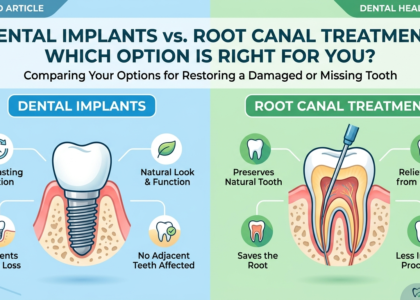
Root canal treatment is a dental procedure used to treat infection or inflammation inside a tooth. The soft tissue inside the tooth, called the pulp, can become infected due to deep decay, cracks, repeated dental procedures, or injury.
During the treatment, the dentist removes the infected pulp, cleans and disinfects the inner canals, fills the space, and seals the tooth. In many cases, a dental crown is placed afterward to restore strength and function.
The goal is simple: save your natural tooth and stop the infection from spreading.
Myth 1: Root Canal Treatment Is Extremely Painful
This is the biggest myth about root canals. Many people associate root canal treatment with pain, but the truth is that the procedure itself is usually not painful.
Modern dentistry uses local anesthesia to numb the area before treatment begins. Most patients say the experience feels similar to getting a regular dental filling. The real pain often comes from the infection inside the tooth, not from the root canal procedure.
Once the infected pulp is removed, the tooth pain usually improves significantly.
Myth 2: Tooth Extraction Is Better Than a Root Canal
Some people believe removing the tooth is easier than saving it. While extraction may sometimes be necessary, keeping your natural tooth is usually the better option when possible.
Natural teeth help you chew properly, maintain jawbone health, and keep nearby teeth in place. If a tooth is removed, it may need to be replaced with an implant, bridge, or denture, which can involve more time and cost.
Root canal treatment helps preserve your natural smile and avoids the problems that may come with missing teeth.
Myth 3: Root Canal Treatment Is Unsafe
Root canal treatment is considered a safe and common dental procedure. Dentists follow strict cleaning, sterilization, and sealing methods to remove infection and protect the treated tooth.
The purpose of the procedure is to eliminate harmful bacteria from inside the tooth. Leaving an infected tooth untreated can be much more dangerous because the infection may spread to the gums, jaw, or other areas.
Choosing a trusted dental professional and following aftercare instructions can make the treatment safe and successful.
Myth 4: Root Canal Treatment Takes Many Visits
In the past, root canal treatment often required multiple appointments. Today, many root canals can be completed in one or two visits, depending on the condition of the tooth and the severity of infection.
Advanced dental tools, digital X-rays, and improved techniques have made the process faster and more comfortable. Your dentist will examine your tooth and recommend the best treatment plan.
Myth 5: Pain After a Root Canal Means It Failed
Mild soreness after root canal treatment is normal for a few days. The surrounding tissues may feel tender, especially if there was a serious infection before the procedure.
This discomfort usually improves with proper care and medication recommended by your dentist. However, severe pain, swelling, or pain that does not improve should be checked by a dental professional.
A properly treated and restored root canal tooth can last for many years.
When Do You Need Root Canal Treatment?
You may need a root canal if you notice symptoms such as:
- Severe toothache while chewing
- Sensitivity to hot or cold that does not go away
- Swollen or tender gums
- Darkening of the tooth
- Pimple-like swelling on the gums
- Deep decay or a cracked tooth
Sometimes, a tooth infection may not cause obvious pain at first. Regular dental checkups are important because your dentist can detect problems early.
Is Root Canal Treatment Safe for Everyone?
Root canal treatment is generally safe for most patients. Before treatment, your dentist will review your medical history, examine your tooth, and may take X-rays to understand the infection.
Patients with certain health conditions should inform their dentist before the procedure. This helps the dentist plan care safely and comfortably.
How to Care for Your Tooth After Root Canal Treatment
After the procedure, follow your dentist’s instructions carefully. Avoid chewing hard foods on the treated tooth until it is fully restored. If your dentist recommends a crown, do not delay it, as the crown helps protect the tooth from fracture.
Good oral hygiene is also important. Brush twice daily, floss regularly, and visit your dentist for routine checkups.
Final Thoughts
Root canal treatment is not something to fear. It is a safe, effective, and pain-relieving procedure that can save your natural tooth and protect your overall oral health. Most root canal myths come from outdated information or fear of dental treatment.
With modern dental care, root canal therapy is more comfortable than ever. If you are experiencing tooth pain or signs of infection, visit a qualified dentist as soon as possible.
For patients looking for reliable dental information and care options, plan dental can be a helpful keyword to explore when learning more about oral health, treatment planning, and dental solutions.